
Making the grade is not the same as making progress.
I have spent fifteen years measuring the difference.
I'm Elizabeth Greenwood, a gifted education coordinator, curriculum designer, and national presenter. I work one to one with families making decisions about their gifted child, and I speak, train, and consult for schools, conferences, and organizations.
Nobody is measuring whether gifted students actually grow.
A gifted child can score in the 95th percentile in September and the 95th percentile in May, and every system around them will record that as success. They hit the benchmark. They passed the test. Nobody asks whether they learned anything in the nine months in between.
Same percentile, start to finish. Every system records it as success. No one asks what happened in between.
Schools are built to move students up to proficiency, and a child who arrives already proficient generates no signal, no flag, and no plan. They appear to be doing fine, so they are left to do fine, year after year. The grade gets made. The growth goes untracked.
I kept meeting kids who were coasting. Not because anyone was failing them, but because nobody had handed them a problem big enough to need their whole brain. Growth is the thing I care about and the thing I insist on measuring, whether I am sitting with one family or helping a district rebuild how it serves these students.
Same fifteen years, pointed in two directions.
You have a decision to make about your child.
A school meeting coming up. A question about testing or acceleration. A child years ahead in one subject and struggling in another. I have spent fifteen years in these conversations, on both sides of the table.
Education Consultation
One-to-one time to think through your child's situation: identification, acceleration, advocacy, school fit, or simply what to do next. The first conversation is free and runs about thirty minutes.
Private Sessions for Your Child
One-to-one instruction built entirely around your child. No fixed curriculum, no group pace to match. In person or online, scheduled around you.
You need someone who has actually done this work.
I am a sitting gifted coordinator, a curriculum designer, and a national presenter. I know what a defensible identification process looks like, where differentiation usually fails, and what it takes to build something teachers will actually run.
Speaking and Keynotes
Conference sessions, keynotes, parent nights, and staff days. I present nationally at NAGC, the Virginia Association for the Gifted, EdTechRVA, and the National Curriculum Networking Conference, and I speak for districts, co-ops, and parent organizations.
Professional Development
Working sessions for staff, teams, or whole districts. Identification, twice-exceptional learners, differentiation that is not just more worksheets, and the social and emotional side nobody plans for.
Program Review
An outside read on how your gifted program identifies and serves students, and whether anyone is tracking real growth for the ones who arrive already proficient. You get specific recommendations you can act on.
Curriculum Design
Inquiry-driven units built for advanced learners, designed for your context and written so another teacher can pick one up and run it.
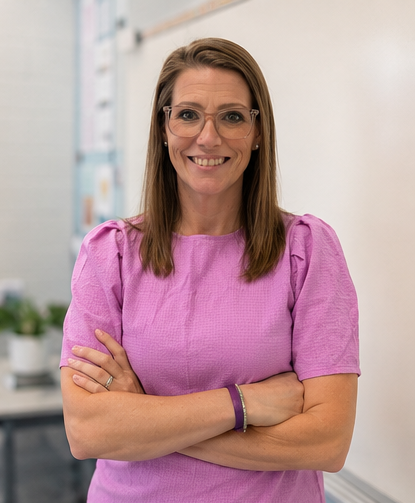
Fifteen years in gifted education, and a parent of gifted kids.
I have spent my career inside gifted education: identifying students, building programs, writing curriculum, and sitting in the meetings where decisions about a child actually get made. EverCurious Minds is where that work is available directly to the families and schools who need it.
- Current role
- Gifted Education Coordinator, Virginia public schools
- Presenter
- National Association for Gifted Children, Virginia Association for the Gifted, EdTechRVA, National Curriculum Networking Conference
- Also
- Curriculum designer, and a parent raising gifted kids of my own
- Organization
- EverCurious Minds, a 501(c)(3) nonprofit
Curriculum built around visible thinking.
Prototypes, evidence, maps, puzzles, argument, and original student-created work. Every unit I design starts from a question worth the effort and ends with students explaining something they figured out themselves.

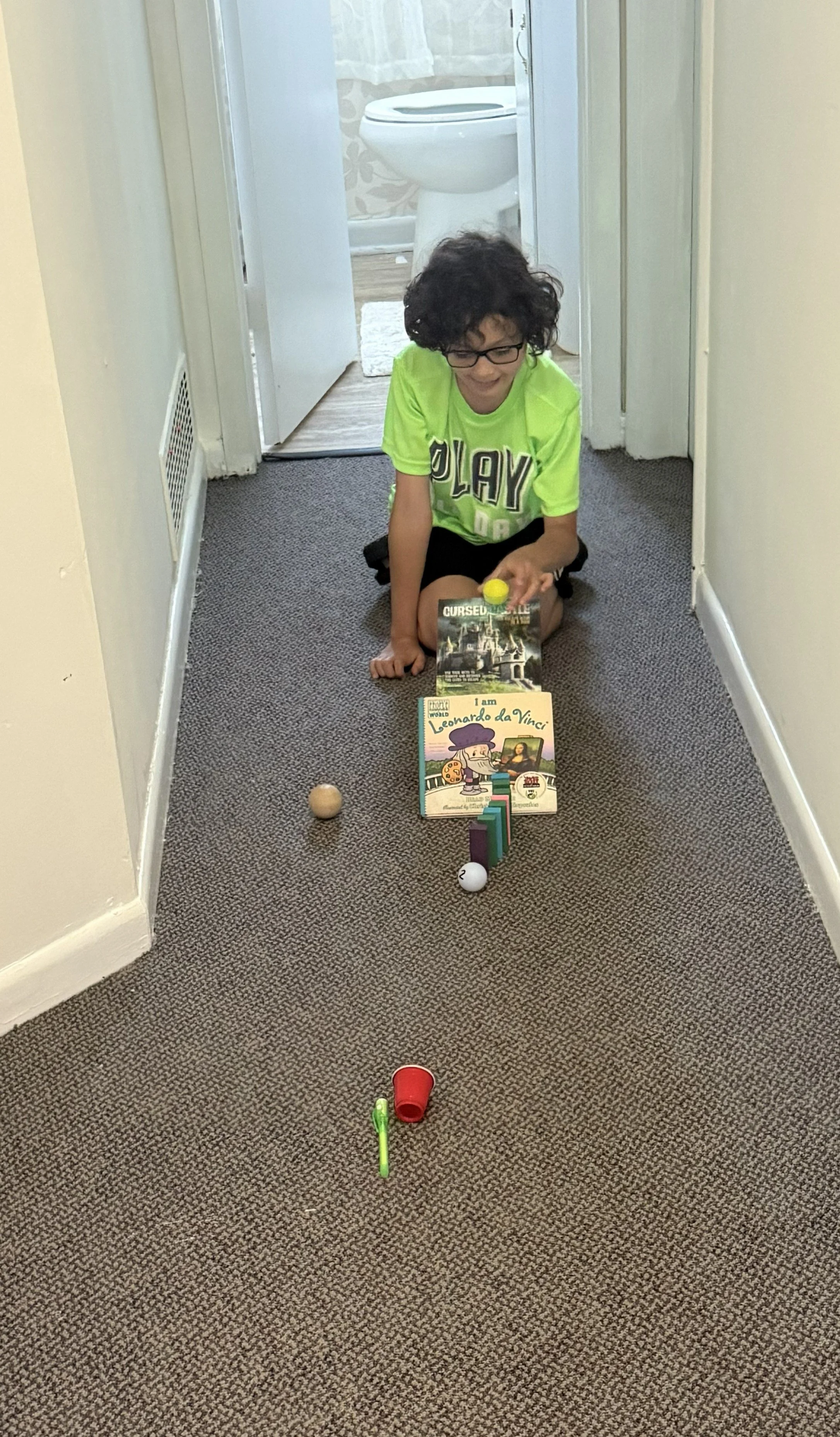
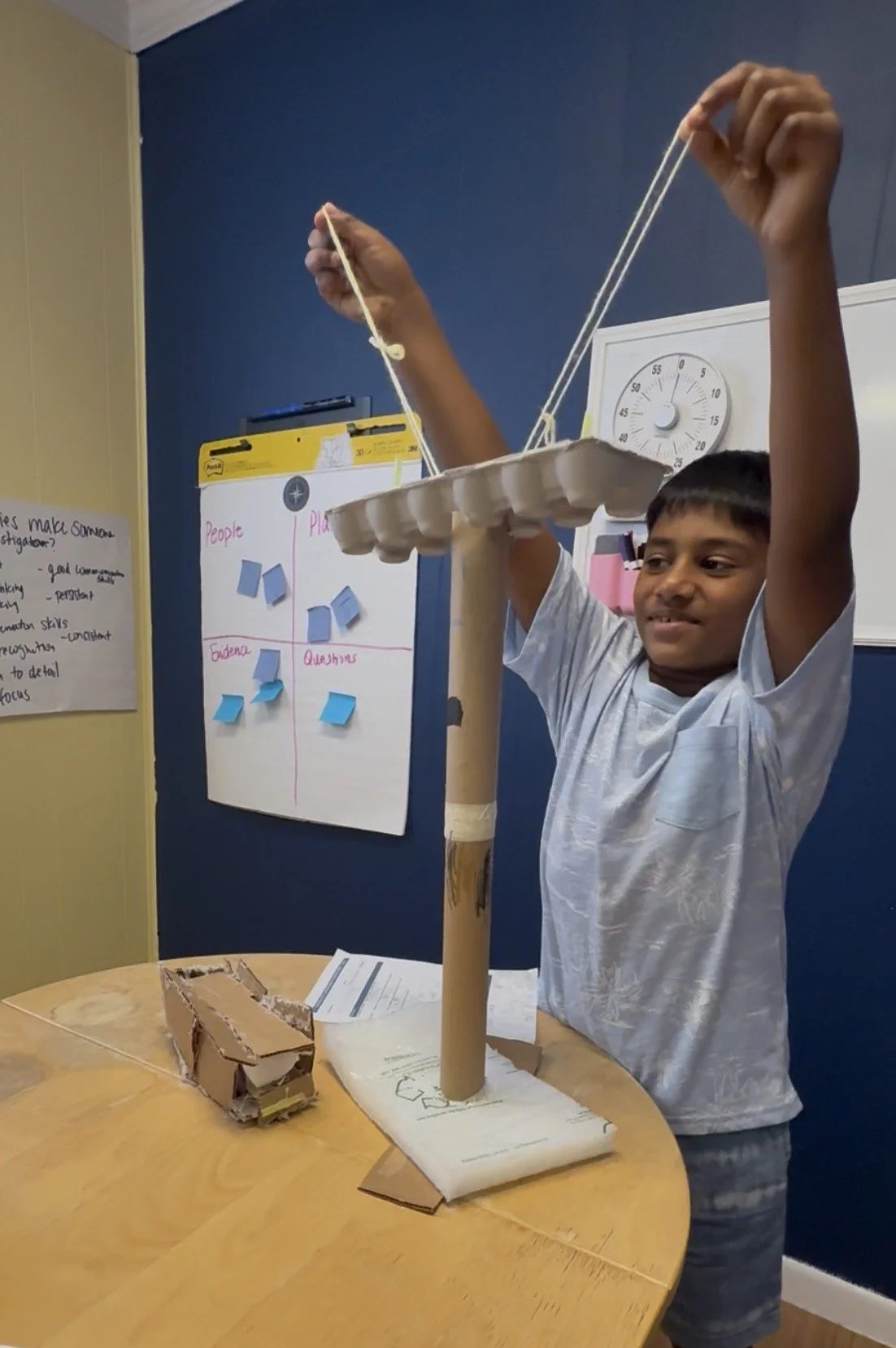
Curriculum for teachers, co-ops, and homeschool families
I am packaging the units I have built, including forensic Latin, systems thinking, and engineering inquiry, so another teacher can pick one up and run it. Join the list and I will tell you when the first one is ready.
Writing for parents raising gifted learners.
Asynchronous development, overexcitabilities, underachievement, intellectual peers, and what it actually looks like to raise and teach a gifted child.
The Gifted Child Who Falls Apart When Something Is Finally Hard
Why struggle can feel like failure to a child who has spent years succeeding without it.
The Gifted Child Who Can't Find Their Homework
Why executive function struggles can make complete sense in bright, complex gifted learners.
Acceleration vs. Enrichment
Why getting the difference wrong can cost gifted learners years of meaningful growth.
Let's talk about what your gifted learner actually needs.
Whether you are one parent with a decision to make, a district rebuilding a program, or a conference looking for a session, the first conversation is the same, and it is free.